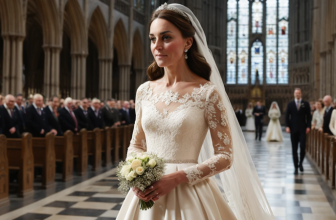
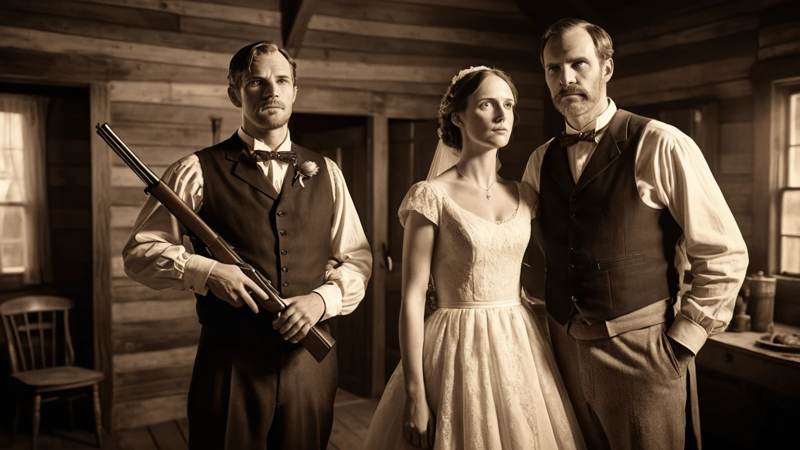
Shotgun wedding meaning explained in simple terms. Discover its origin, modern usage, and cultural context in this engaging guide.
Shotgun wedding meaning refers to a marriage that happens quickly, often because of an unplanned pregnancy or social pressure, traditionally implying urgency rather than romance.
Shotgun Wedding Meaning: A Simple Guide 💍
Ever heard someone say “It was a shotgun wedding” and wondered what that really means?
A shotgun wedding is a marriage arranged quickly, usually because the bride is pregnant or due to social expectations. The phrase hints at pressure—sometimes jokingly suggesting the groom was forced into marriage.
Today, the meaning has softened. It’s often used humorously or casually. Still, it carries deep cultural roots and a fascinating history worth exploring.
What Does Shotgun Wedding Mean? 🤔
A shotgun wedding describes a rushed marriage. It usually happens when a couple feels pressure to wed quickly.
Traditionally, this pressure came from pregnancy before marriage. Families wanted to avoid social stigma. So, the wedding happened fast.
The term itself paints a vivid picture. It suggests someone standing with a shotgun to ensure the groom follows through. While often exaggerated, it reflects strong societal expectations from the past.
The Origin Of Shotgun Wedding 🔍
The phrase dates back to the 18th and 19th centuries. It became popular in American culture.
Back then, premarital pregnancy was frowned upon. Families wanted to protect their reputation. Marriage was seen as the “right” solution.
The word “shotgun” symbolized force or urgency. It didn’t always mean real violence. Instead, it showed how serious the situation felt at the time.
How The Meaning Has Evolved Over Time 📆
Today, the meaning of shotgun wedding has changed a lot.
Modern society is more accepting of different lifestyles. Couples no longer face the same level of pressure. As a result, the term is often used jokingly.
Sometimes, it simply refers to a quick wedding. There may be no pregnancy involved at all. It can even describe spontaneous elopements.
Why Were Shotgun Weddings Common? 🏡
Shotgun weddings were once very common. Social norms played a big role.
Here’s why they happened often:
- Strict moral expectations
- Fear of public judgment
- Family pressure
- Desire to protect reputation
Families believed marriage would “fix” the situation. It provided stability and avoided shame.
Cultural Differences In Shotgun Weddings 🌎
Different cultures have handled shotgun weddings in unique ways.
In some societies, early marriage was normal. In others, it was a last resort.
Here’s a quick comparison:
| Culture | View On Shotgun Weddings | Common Reason |
| Western | Often pressured | Premarital pregnancy |
| Eastern | Family-driven | Honor and tradition |
| Modern Global | Less stigma | Personal choice |
Cultural context shapes how the term is understood today.
Is A Shotgun Wedding Always Forced? ⚖️
Not necessarily. That’s a common misunderstanding.
Some couples choose to marry quickly. They may already love each other deeply. The timing just feels right.
Others might feel pressure from family or society. So, the experience can vary widely. It’s not always negative or forced.
Shotgun Wedding In Modern Society 💡
In today’s world, shotgun weddings are less common.
People have more freedom in relationships. Social norms are more relaxed. Many couples live together before marriage.
Still, the term hasn’t disappeared. It’s often used in movies, jokes, and conversations.
Emotional Impact Of A Shotgun Wedding ❤️
Rushed decisions can bring mixed emotions.
Some couples feel happy and excited. Others may feel stressed or uncertain.
Common emotional experiences include:
- Anxiety about the future
- Pressure from family
- Joy mixed with fear
- Strong commitment
Every situation is unique. Emotions depend on the couple’s relationship.
Shotgun Wedding Vs Traditional Wedding 🎉
Let’s break down the differences clearly:
| Aspect | Shotgun Wedding | Traditional Wedding |
| Timing | Quick | Planned over months |
| Reason | Urgency | Celebration |
| Pressure | Often high | Usually low |
| Planning | Minimal | Detailed |
A shotgun wedding focuses on urgency. A traditional wedding focuses on celebration and planning.
Legal Perspective On Shotgun Weddings ⚖️
From a legal standpoint, a shotgun wedding is just a marriage.
Laws don’t treat it differently. What matters is consent. Both partners must agree freely.
If coercion is involved, it can raise legal concerns. Forced marriages are illegal in many places. So, consent is always key.
Common Misconceptions About Shotgun Weddings ❌
There are many myths about shotgun weddings.
Let’s clear a few:
- Myth: They always involve a gun
- Truth: It’s symbolic language
- Myth: They are always unhappy
- Truth: Some lead to strong marriages
- Myth: They are outdated
- Truth: The term still exists today
Understanding these myths helps clarify the true meaning.
Shotgun Weddings In Movies And Media 🎬
Pop culture loves this concept.
Movies often portray dramatic or funny shotgun weddings. These scenes exaggerate reality.
You might see a father threatening the groom. Or a rushed ceremony with chaos. While entertaining, they don’t always reflect real-life situations.
Pros And Cons Of A Shotgun Wedding ⚖️
Every situation has ups and downs.
Pros:
- Quick resolution to social pressure
- Strong commitment early on
- Family support
Cons:
- Emotional stress
- Limited planning
- Possible regret
Weighing these factors is important for any couple.
How Society Views Shotgun Weddings Today 👀
Society has become more accepting.
Unmarried couples and single parents face less stigma. This reduces the need for rushed marriages.
Still, some communities hold traditional values. In those places, shotgun weddings may still happen.
Should Couples Rush Into Marriage? 🧠
Rushing into marriage is a big decision.
It’s important to think carefully. Love alone may not be enough. Communication and compatibility matter.
Consider these steps:
- Discuss long-term goals
- Understand responsibilities
- Seek advice if needed
Taking time can lead to better outcomes.
Real-Life Examples Of Shotgun Weddings 📖
Real stories vary widely.
Some couples marry quickly and stay together for life. Others struggle due to pressure.
For example, a couple may marry after discovering a pregnancy. They build a strong family over time. Another couple may feel unprepared and face challenges.
Life outcomes depend on the individuals involved.
How Language Shapes Perception 🗣️
Words carry meaning and emotion.
The phrase “shotgun wedding” can sound harsh. It suggests force or urgency.
But language evolves. Today, many people use it lightly. Still, understanding its origin helps us use it wisely.
Quick Summary Of Key Points 📌
| Topic | Key Insight |
| Meaning | Rushed marriage due to pressure |
| Origin | Historical social norms |
| Modern Use | Often casual or humorous |
| Reality | Varies by situation |
Conclusion 🎯
A shotgun wedding is more than just a phrase—it’s a reflection of history, culture, and changing social values. While it once symbolized urgency and pressure, today it’s often used more lightly. Still, the core idea remains: a marriage happening quickly due to circumstances.
Understanding the meaning helps you see how society has evolved. Relationships today are shaped more by choice than pressure, which is a positive shift.
FAQs ❓
What does shotgun wedding mean today?
It usually means a quick or rushed marriage. The term is often used humorously now. It doesn’t always involve pressure or pregnancy.
Why is it called a shotgun wedding?
The name comes from the idea of forcing a groom to marry. It symbolizes urgency and pressure. The “shotgun” part is mostly figurative.
Are shotgun weddings still common now?
They are less common today. Society is more accepting of different lifestyles. However, they still happen in some situations.
Is a shotgun wedding always forced?
No, not always. Some couples choose to marry quickly. Others may feel pressure, but many are willing participants.
Can a shotgun wedding be successful?
Yes, it can be. Success depends on the relationship. Communication and commitment matter more than timing.